

What Is Lymphedema?

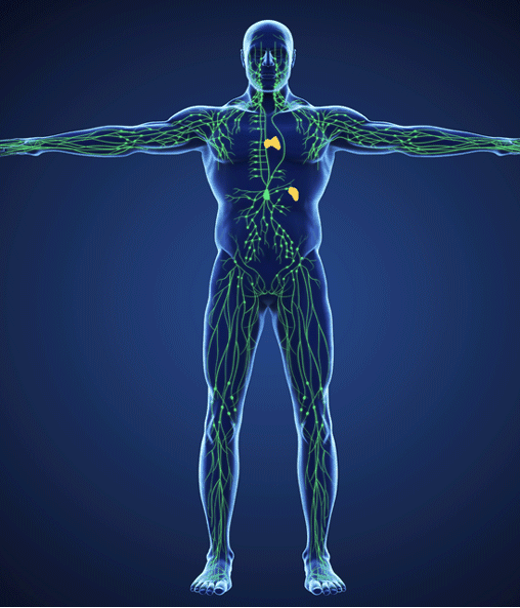
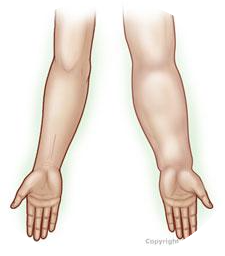
Lymphedema refers to the swelling of tissue caused by the build-up of lymph fluid in specific parts of your body. Lymphedema is frequently diagnosed in the arms and legs, but often occurs in the chest walls, neck, abdomen / trunk and genital areas.

Your lymphatic system is crucial to maintaining a healthy body. It continually circulates lymph fluid throughout your body while collecting bacteria, viruses, and related waste products. The lymphatic system then carries this fluid, together with these collected, harmful substances, to your lymph nodes through the system’s lymph vessels. Upon reaching the lymph nodes, the wastes are filtered out and ultimately flushed from your body.

Lymphedema occurs when your lymph nodes and vessels are unable to adequately filter the lymph fluid. Think about it this way; lymph nodes act like the “drain” in your sink; if collected fluid becomes clogged and cannot be filtered there is a problem. When this happens, swelling in arm, leg, chest, neck, abdomen / trunk, and genital areas can occur.

Lymphedema often occurs after breast cancer surgery. It can happen at any time, immediately after or even ten or more years after surgery. TCP compression pumps are designed for and quite effectively treat this condition in the privacy and comfort of your home.

How does a person gets Lymphedema?

[/vc_row_inner]

There are two types of Lymphedema;
(1) Primary, rare, and often hereditarily based; and
(2) Secondary, often caused by the outside factors described and discussed below:

As a result of one or more of the above conditions, lymphedema, due to the removal of or damage to your lymph nodes, is likely.

Your lymphatic system is an important part of your immune system. It is important to keep it healthy.

There is presently no cure for lymphedema but it can be effectively managed with early diagnosis, diligent care of the affected limb or area, and a TCP Compression Device.

What is Chronic Venous Insufficiency (CVI)?

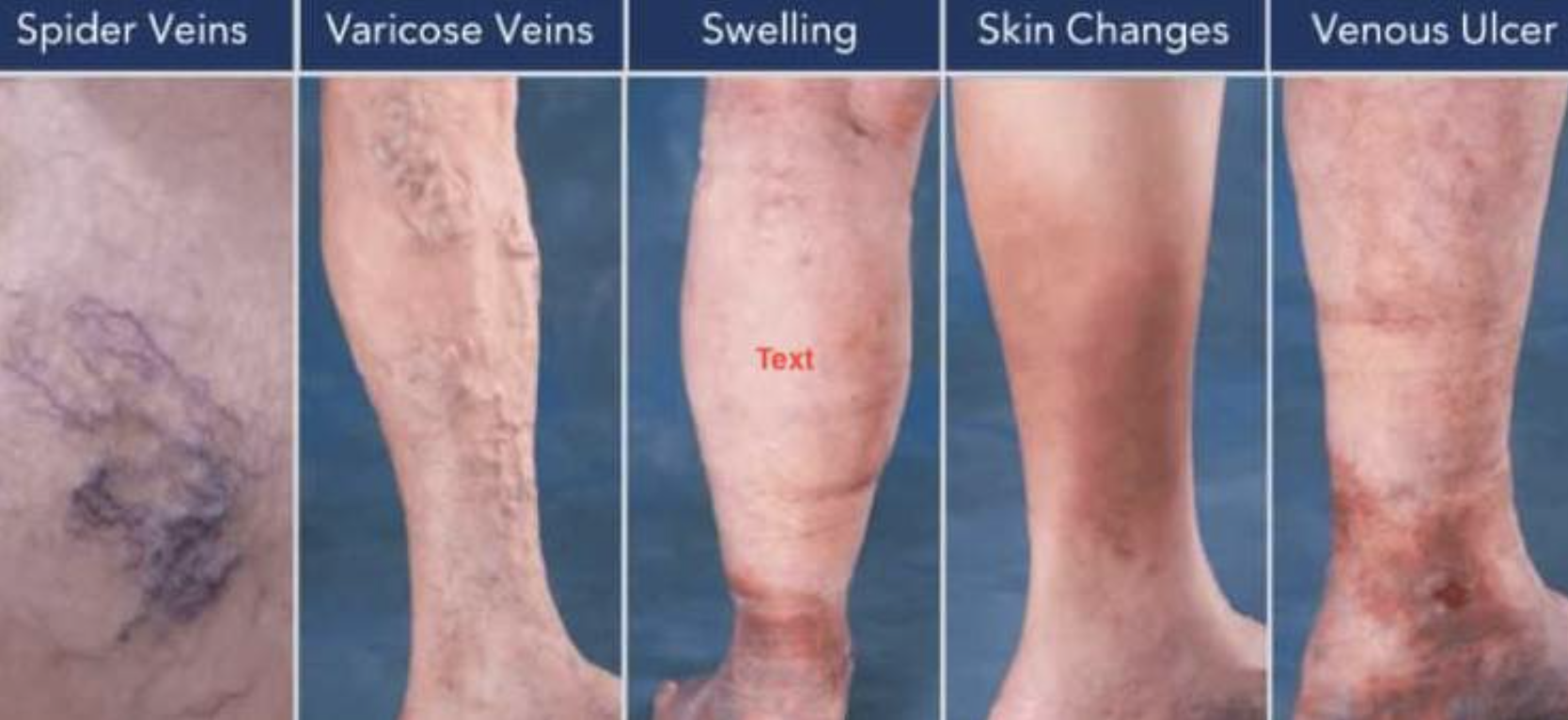
It is the improper functioning of the vein valves in your legs. Normally, the vein valves keep blood moving back to the heart. When Chronic Venous Insufficiency is present, it slows down the blood flow and raises the pressure. This causes vessels and capillaries to burst and ‘pool’ or collect in the leg veins, producing a reddish-brown color.  Lifestyle changes and compression therapy are recommended for treatment.  If the condition is untreated or gets worse, venous ulcers and wounds may occur.

Venous ulcers are when skin breaks open and sores form on your leg’s surface.

These are serious and are often difficult to heal, especially for diabetics and those with circulation and vascular issues.

Symptoms of CVI: aching/tired legs and/or a burning, pins and needles sensation, swelling, pain, discoloration and/or flaking, itchy skin on legs and ankles, ulcers/wounds, leathery-looking skin, varicose veins.

Risk Factors:  cardiac conditions, heredity, DVT, Obesity, Peripheral Artery Disease, Pregnancy, Sitting or standing for long periods, Age (over 50), Poor Circulation.

The above conditions are difficult to heal, potentially very serious, and can lead to many serious health problems if not treated. An estimated 40 percent of people in the United States have Lymphedema and/or CVI. If the patient’s current treatment, which includes elevation of legs, exercise, and compression stockings, is no longer effective or is not an option, there is another remedy. Our Pneumatic Compression Pump with sequential, gradient pressure, helps eliminate stagnant fluid from the affected area. This reduces swelling and pain and promotes circulation. Decreasing swelling and stimulating circulation are the cornerstones of healing Chronic Venous Insufficiency and Lymphedema.

Visit our Compression Pumps page for more information.

What is Deep Vein Thrombosis (DVT)?

Deep Vein Thrombosis, (DVT) occurs when a blood clot (thrombus) forms in one or more of the deep veins in your body, often in your legs. DVT can cause an embolism and may be fatal if not treated. Once a person experiences a DVT, they are more susceptible to future DVTs. Our devices are prophylactic  (preventative) and treatment with our device can ensure better circulation to help prevent a recurrence.

Risk Factors: Post-surgery, trauma from an accident, pregnancy, varicose veins, and cancer are causes of DVT as well as certain inherited blood disorders. A sedentary lifestyle and long periods of time sitting/traveling, in a plane or automobile, are also risk factors. Please refer to our Compression Pumps page for more information about our DVT pumps. We carry regular DVT prevention pumps as well as a Combo, which prophylactically treats with both compression and cold compression.

What is Peripheral Artery Disease (PAD)?

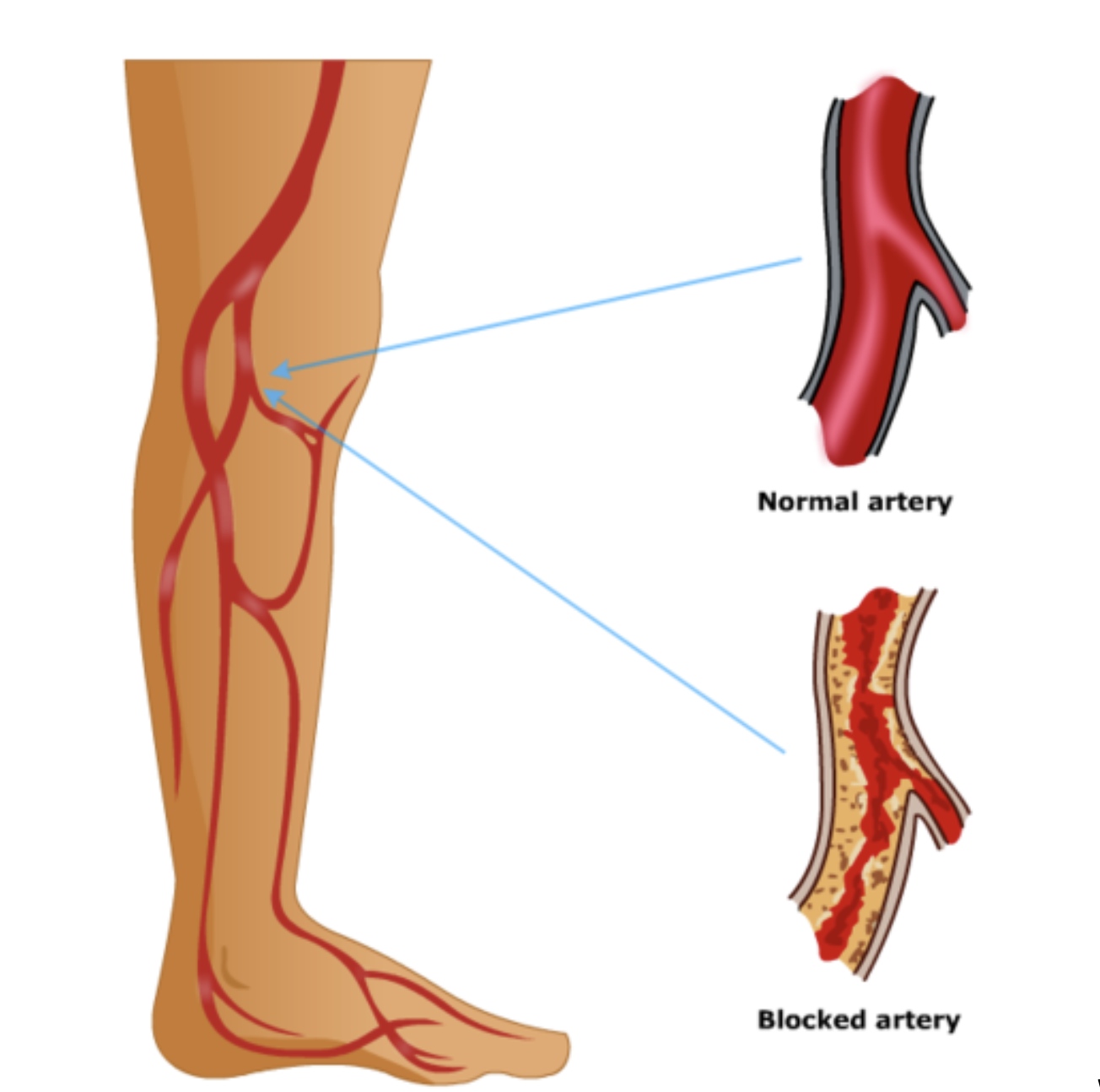
Peripheral artery disease, or PAD, is a vascular and circulatory problem where an accumulation of plaque in the legs causes narrowing of the arteries (arteriosclerosis). This reduces blood flow to the limbs causing claudication (cramping pain), coldness in lower legs (bluish coloration), weakness, sores on the toes,(blackish color) feet or legs

Risk factors: Diabetes, Heredity,  High Blood Pressure, Obesity. Left untreated, PAD can cause heart disease, stroke, gangrene, and amputation of the foot or leg. It is an especially serious condition for diabetics. TCP carries Arterial pump devices specifically made to treat PAD- a very serious disease.

Visit our Compression Pumps page for more information.